


Why Canal Towpaths Are Britain's Quietest Accessible Walks
There is something wonderfully democratic about a canal towpath. For centuries these flat ribbons of gravel and stone were working routes, tramped by horses hauling narrowboats loaded with coal, lime and timber. Today they offer something rare in the British countryside: a genuinely level, traffic-free path that stretches for miles without a single stile, kissing gate or steep incline to negotiate.
For wheelchair users, parents with pushchairs, and anyone who finds hills a struggle, that flatness is transformative. A well-maintained towpath means you can travel two or three miles in one direction and simply turn around, knowing the return journey is no harder than the outward one. Add benches at regular intervals, a car park within a few hundred metres, and a café with a step-free entrance, and you have the makings of a genuinely good day out.
What follows is practical guidance rather than a rigid list of routes. Canal and river paths change with the seasons, and a stretch that is perfect in June may be muddy and churned in February. Use these principles to plan, then check local conditions before you set out.
What Makes a Towpath Genuinely Accessible
Flat is only the beginning. A route can be level and still be a struggle if the surface is loose, uneven or rutted. When you are assessing whether a waterside walk will suit you, look for the following:
- Surface: Compacted gravel, tarmac or resin-bound stone are the gold standard. Freshly laid towpath surfacing on many restored canals is firm enough for a powered wheelchair or a lightweight buggy. Avoid paths described as "grass" or "earth" after rain.
- Width: Aim for at least 1.5 metres of clear width. Towpaths narrower than this can be awkward when passing other walkers, anglers or moored boats.
- Rest points: Benches every 200 to 400 metres make an enormous difference. Many canal benches have armrests, which help with sitting and standing.
- Edges: A defined edge, low kerb or slight vegetation strip between path and water adds reassurance, especially for children and anyone with a visual impairment.
- Toilets and cafés: Check for step-free access and a level threshold. Canal-side tearooms in converted lock cottages are charming but not always accessible, so ring ahead.
Choosing Your Starting Point and Parking
Parking is often the deciding factor. The best accessible waterside walks start from a designated canal car park, a picnic site, or a pub or café with a decent-sized car park and a path leading straight to the towpath.
Look for car parks with marked blue badge bays, a firm surface and no height barrier. Height barriers catch out more than just campervans, they can block adapted vehicles with roof-mounted equipment. If a car park is listed as free but has a barrier, phone the local council or navigation authority before travelling.
Aim to park within 300 metres of your chosen route. That sounds short, but it makes a real difference at the end of the day when energy is low. Where a car park is further away, check whether there is a drop-off point, many canal-side attractions now have one.
Five Features to Check Before You Go
A little preparation turns a hopeful outing into a reliable one. Before leaving home, confirm these five things:
- Surface condition: Winter flooding, towpath resurfacing and fallen branches are common. Local canal groups and navigation authorities usually post updates.
- Distance to facilities: Know where the nearest accessible toilet, café and bench cluster are, and how far along the path they sit.
- Gradients and ramps: Some towpaths rise gently at aqueducts, bridges and lock flights. A short ramp is fine, a long slope may not be.
- Crossings: Where a route crosses a road or a lift bridge, note whether there are dropped kerbs and safe sightlines.
- Water levels and closures: Lock works, regatta weekends and towpath repairs can close short sections without much warning.
Making the Most of a Short Route
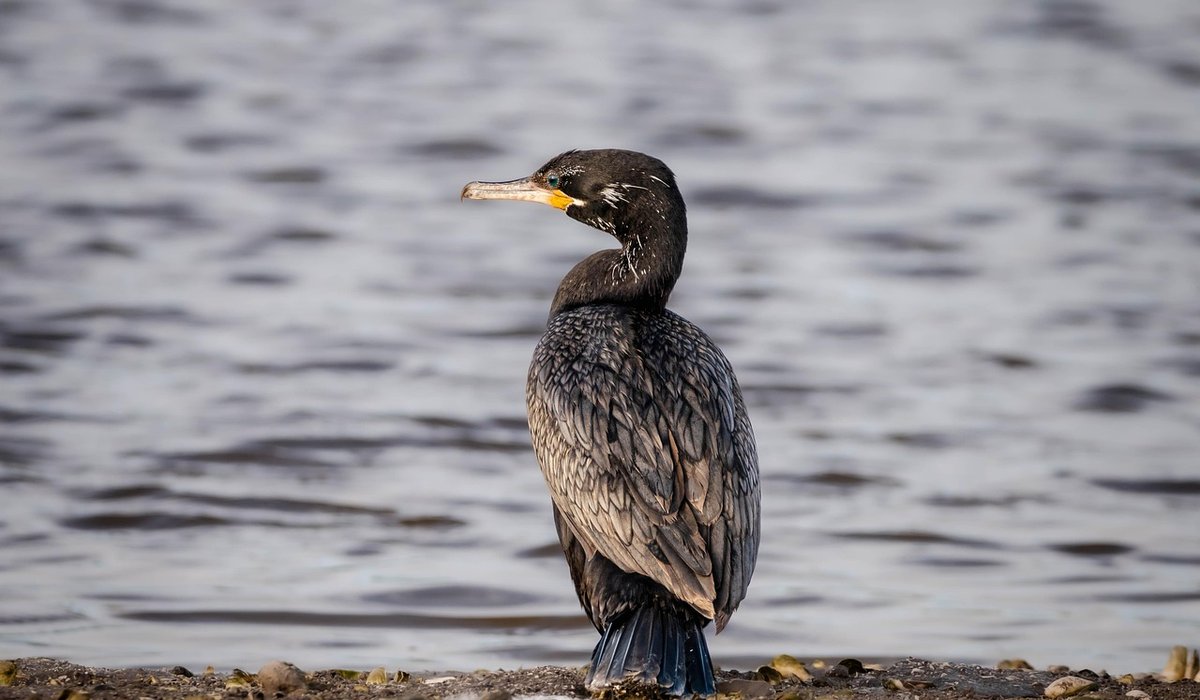
You do not need a ten-mile walk to have a satisfying day by the water. Many of the best accessible routes are a mile or two long, with plenty to see along the way. A narrowboat easing through a lock, a heron standing motionless in the shallows, a family of swans, all provide reasons to stop and rest.
Plan a there-and-back route with a café at the halfway point. Order a pot of tea, sit where you can watch the water, and let the pace of the canal set the rhythm of your day. That is, after all, what towpaths are for, and it is a pleasure that should be open to everyone.


Leave a reply